
PRECISE AND SAFE DRONE DELIVERIES
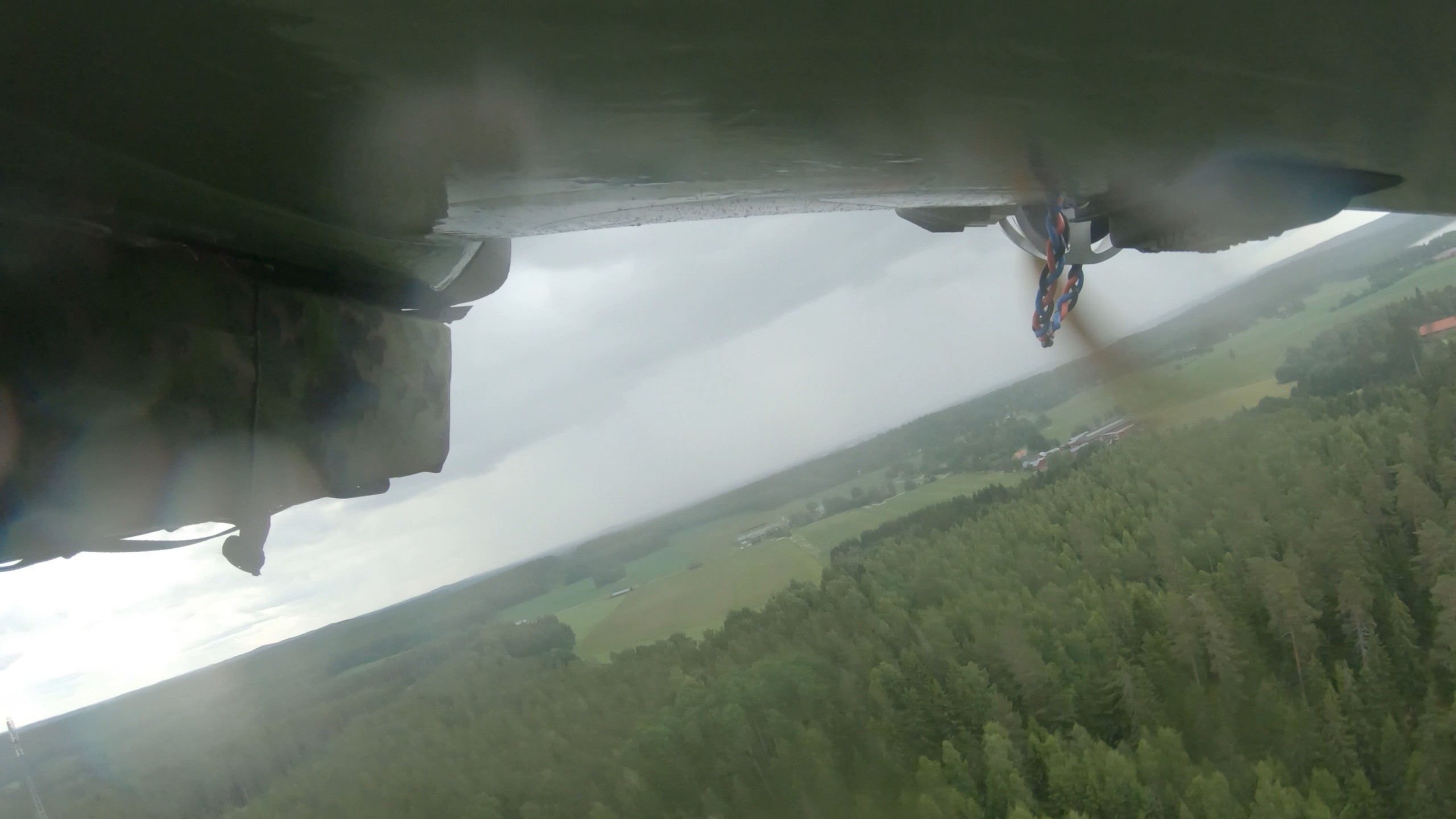
Safety is Lentola’s number one priority in all development and operations. The industry standard for a delivery drone is to go into hover and winch the package down to the customer. However, the risks of hovering a drone increase rapidly as wind strength increases. Given the accidents that have occurred worldwide in such situations, Lentola’s system supports the use of a parachute instead of hovering, which we consider a significantly safer operating method.
PACKAGE DELIVERY VIA PARACHUTE DROP
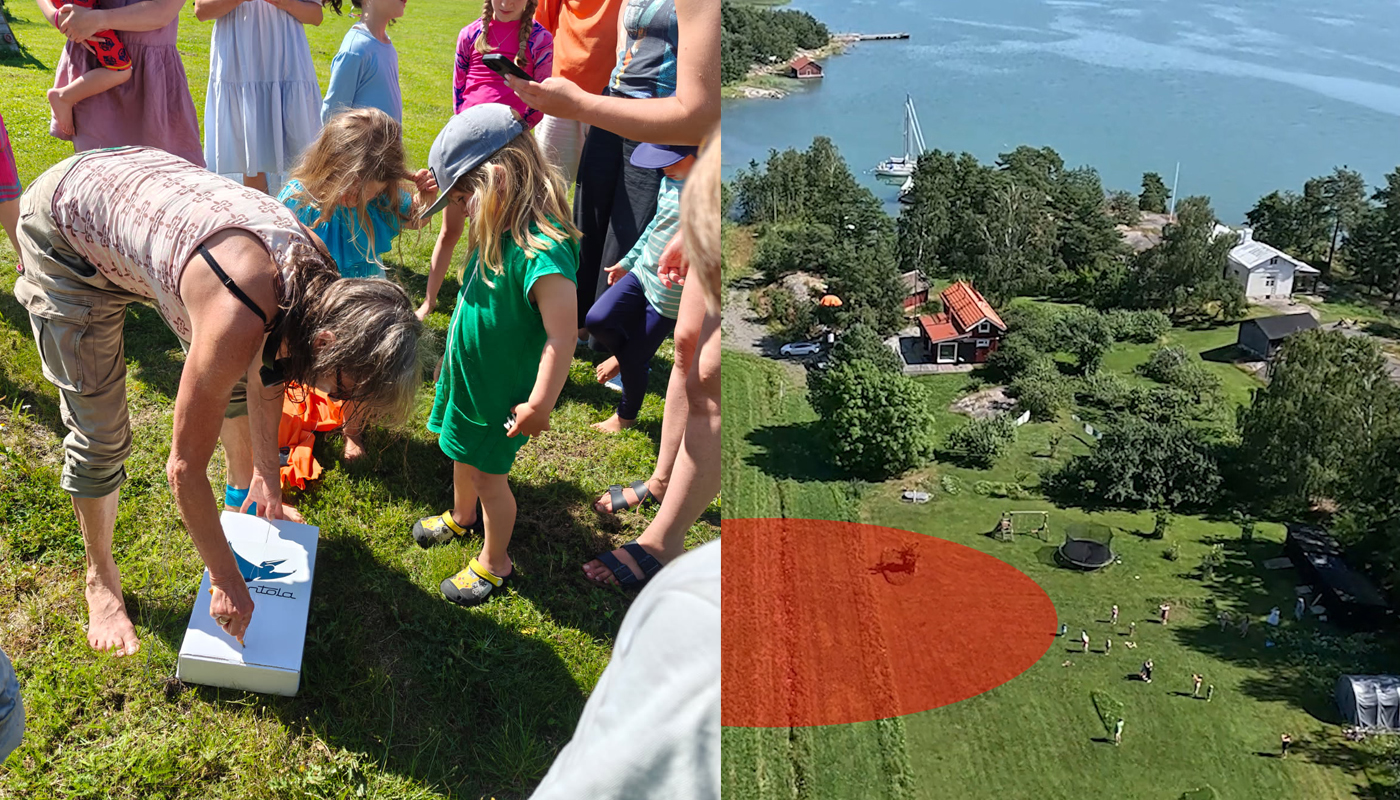
The drone drops the package onto the customer’s property by parachute with great precision. Lentola supplies its customers with parachutes suitable for their operations. Our relatively inexpensive parachutes are suitable as disposable products, especially when the advantage over other forms of transport is particularly great. Alternatively, the operator can charge the customer a deposit for the parachute, which they will get back when they return the parachute.
SMALLER ITEMS WITHOUT A PARACHUTE
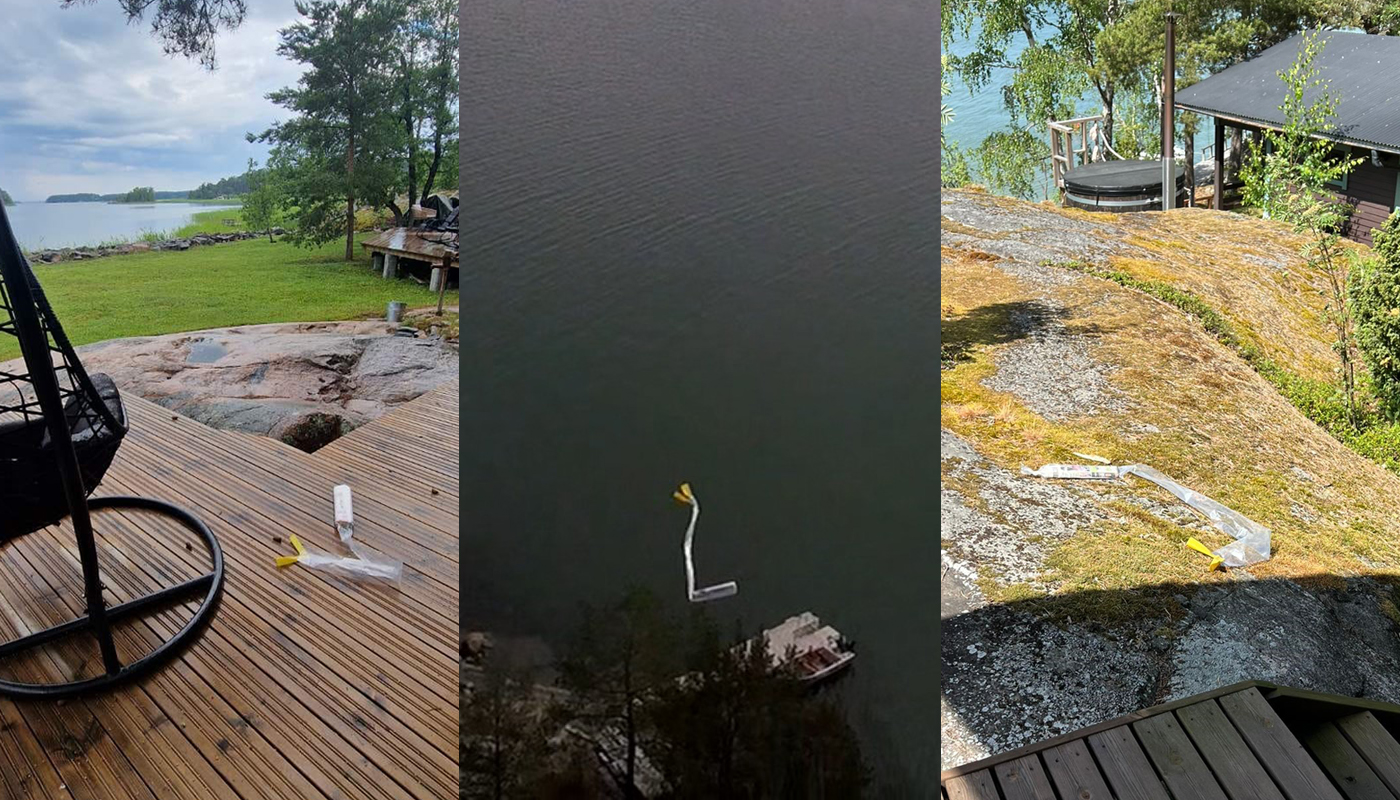
Lighter packages and newspapers can be dropped to a customer without a parachute. If necessary, waterproof wrapping protects the items, so exposure to water/moisture is not a problem. Since the wind can be strong and its direction can vary at the time of drop, an algorithm improves hit accuracy by taking wind direction and strength into account.
SOFTWARE DESIGNED FOR DRONE DELIVERIES
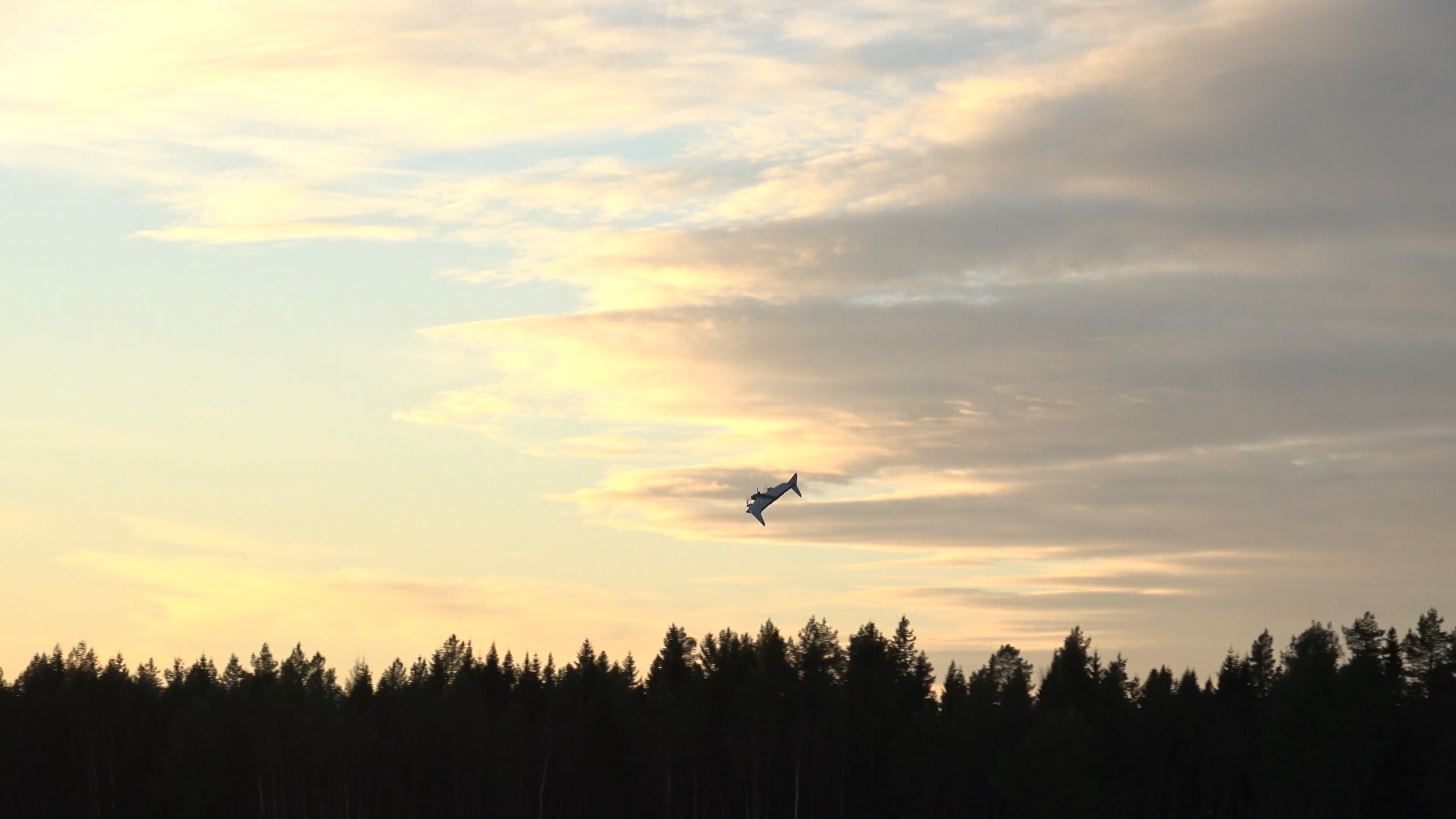
Lentola’s flight planning software allows operators to draw flight routes in advance. The Lentola VTOL Cargo delivery drone uses satellite positioning for navigation, and RTK (Real Time Kinematic) refines the position information.
However, the drone may have weak GNSS connection or lose it completely. Lentola’s system is prepared for a variety of exceptional situations, which allows the operation to continue even without a GNSS connection. If conditions become too difficult, the system can independently make a decision to abort the operation.
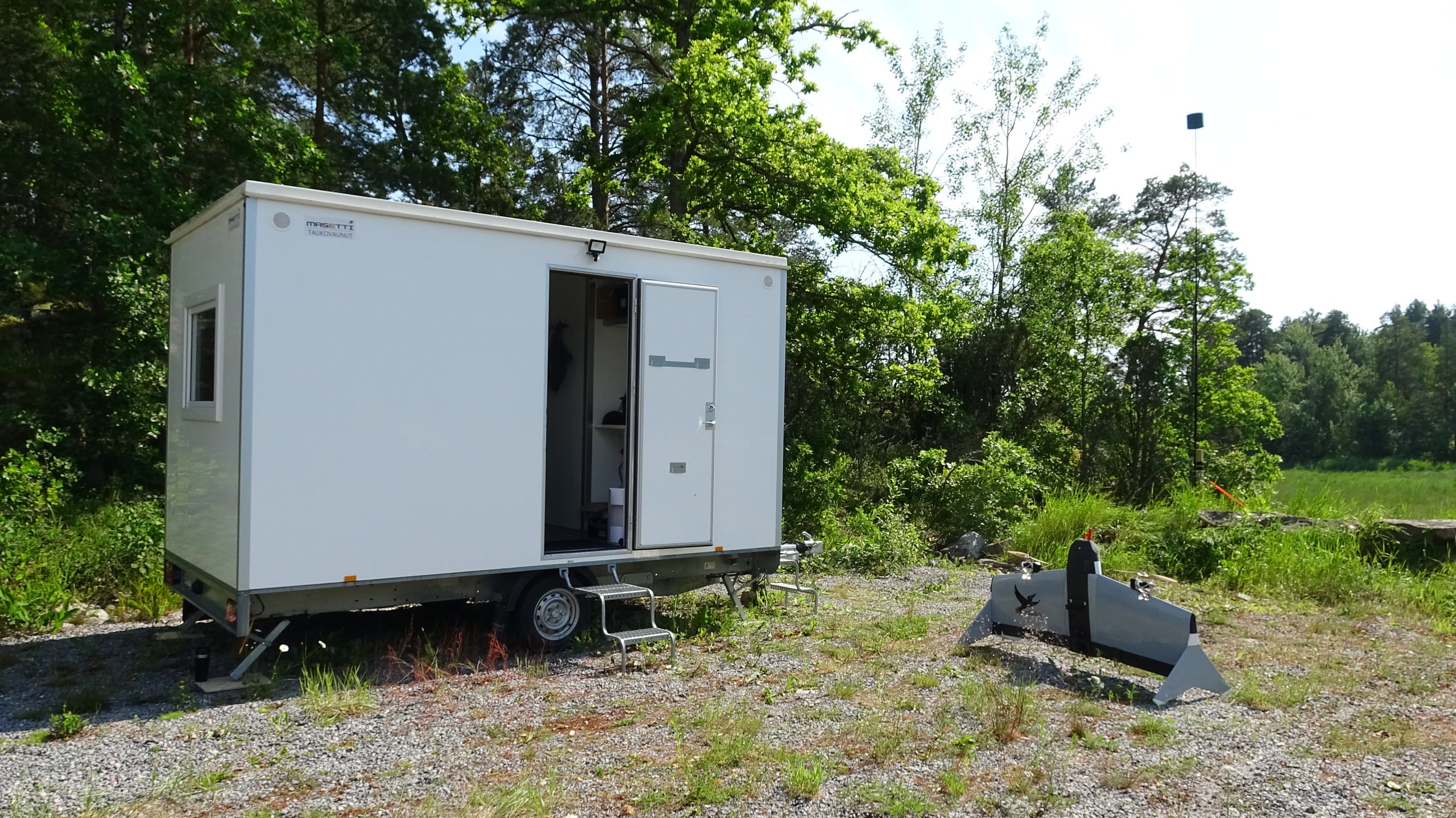
RAPID ESTABLISHMENT OF AN OPERATIONAL SITE
Despite meticulous preparation, unforeseen events can occur, for example, due to an unexpected change in weather conditions. A large delivery drone poses risks in the event of an accident. Therefore, we recommend setting up the ground station some distance away from crowds. In many cases, the drone could take off from the company’s premises after loading and land a short distance away.
In the simplest case, the ground station can be a small office container with electricity, and the area required for drone operation is located at the far end of the parking lot. The costs for setting up a landing site are usually quite low.